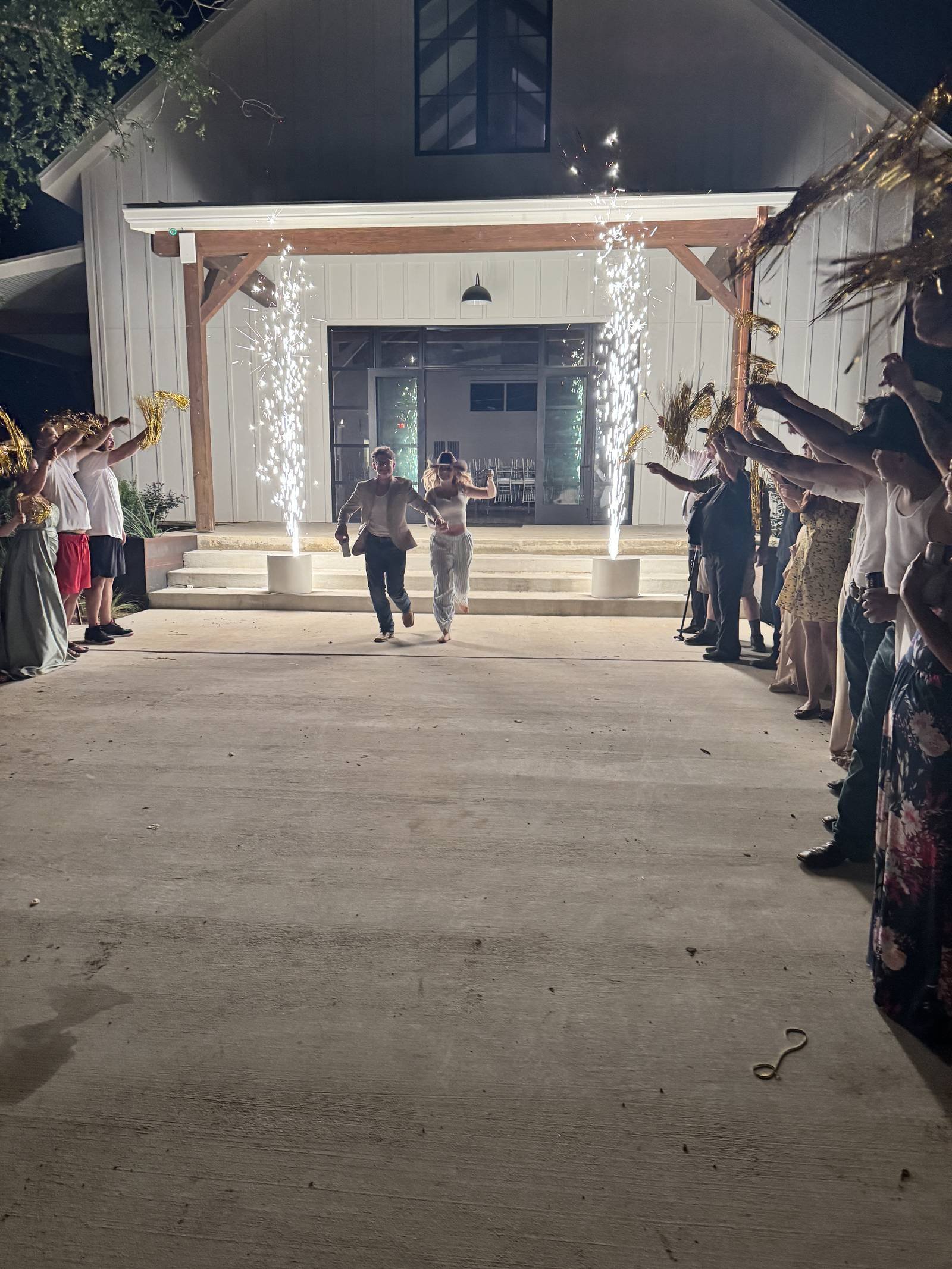
More and more of the couples I talk with aren’t planning a wedding day anymore. They’re planning a Hill Country wedding weekend: a welcome dinner on Friday, the ceremony on Saturday, a slow brunch on Sunday before everyone heads home.
It’s not just my inbox, either. The Knot’s 2027 Wedding Trends Report calls it “Extending the Wedding” and notes that nearly 1 in 3 weddings already span three days or more. Zola’s 2026 First Look Report found 37% of couples are hosting at least one extra event, like a welcome party or day-after brunch.
Honestly? The Hill Country was made for this. Here’s how I’d think about it.
Why the Hill Country Works for a Multi-Day Wedding
Most of your guests are already making a trip. If they’re flying into Austin and driving out to Dripping Springs or Wimberley, one evening feels rushed. A full weekend gives them a reason to stay, explore, and actually spend time with you.
The area also has natural “second event” spots built in: wineries, breweries, distilleries, barbecue joints, and rental homes with big porches. You don’t need a second fancy venue. You need a relaxed place where people can talk.
If you’re still choosing your main venue, my roundup of small wedding venues near Dripping Springs and Wimberley is a good place to start.
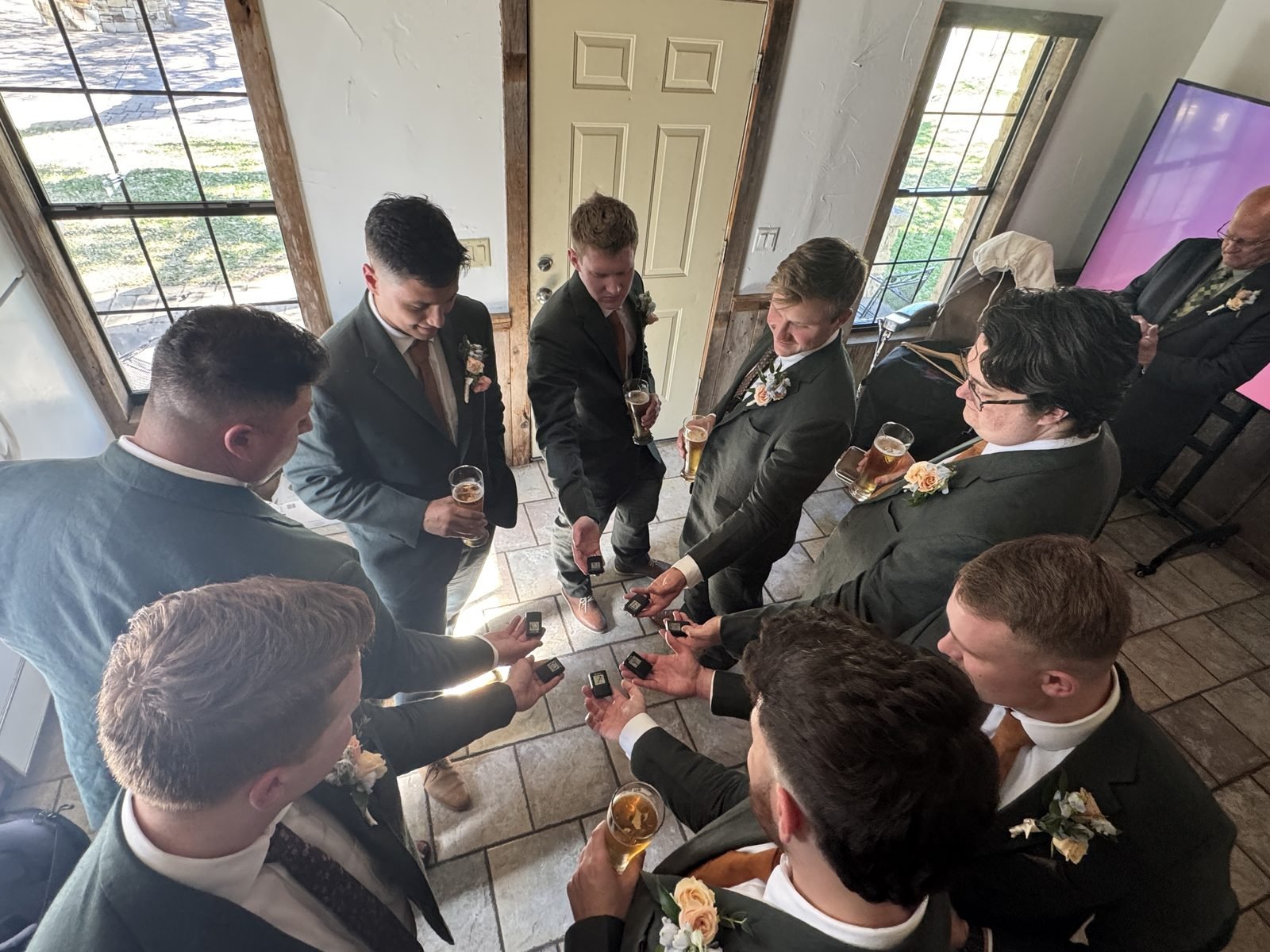
How to Build a Hill Country Wedding Weekend Without Wearing Everyone Out
A wedding weekend should feel like a gift to your guests, not a second job. Here’s the rhythm I like:
- Friday: keep it easy. A welcome dinner or casual happy hour. Make it optional and low-key so late arrivals don’t feel guilty.
- Saturday: the main event. Leave the morning open. People need time to rest, get ready, and drive.
- Sunday: short and sweet. A brunch that wraps by late morning so guests can check out and get to the airport.
A few Hill Country realities to plan around:
- Distance. Venues, rentals, and restaurants can be spread out on winding two-lane roads. Group your events close together when you can, and think about a shuttle for the main night.
- Heat. From late spring through early fall, schedule outdoor events for the evening, and have shade and water ready.
- Lodging. Rental homes and small inns fill up fast on popular weekends. Share options with guests early.
- Courthouse first? If you want a legal ceremony earlier in the week, remember Texas has a 72-hour waiting period after your marriage license is issued unless you qualify for a waiver.
Where a Coordinator Fits In
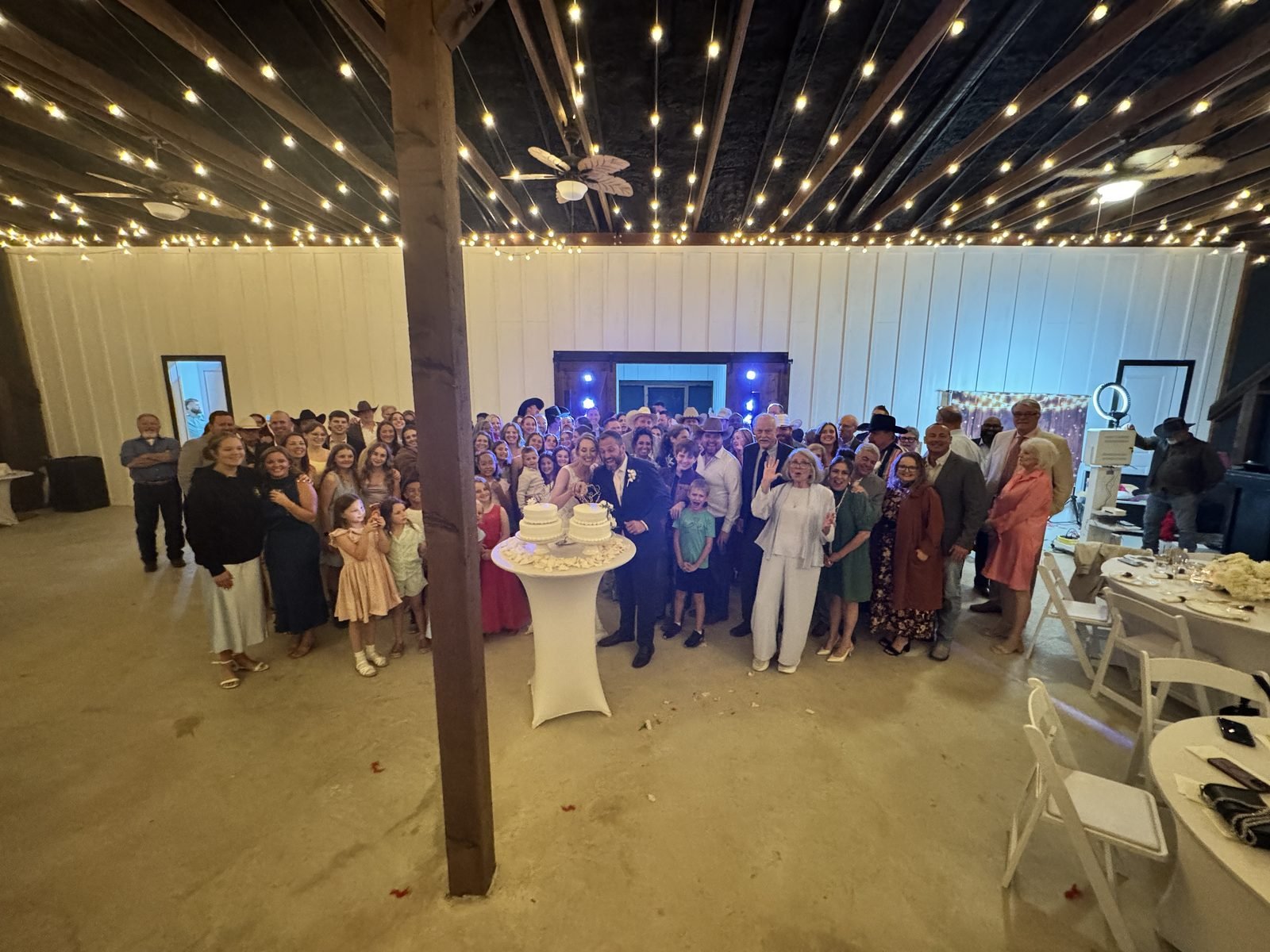
More events means more moving parts: more vendors, more timelines, more “who’s picking up the ice?” The Knot’s report even points out that vendors are becoming multi-day partners as celebrations stretch out.
That’s where I come in. If you’re planning the whole weekend from scratch, full planning (from $3,800) is usually the best fit. If you’ve done the planning and just need someone to take it over in the final stretch, my Final Touch month-of coordination starts at $1,600. You can compare everything on my services page, and read more about what a day-of coordinator in Austin actually does.
A wedding weekend doesn’t have to be big or fancy. It just has to give your people more time together. That’s the part everyone remembers.
Thinking about stretching your celebration into a full weekend? Reach out here and tell me what you’re dreaming up. I’d love to help you map it out.